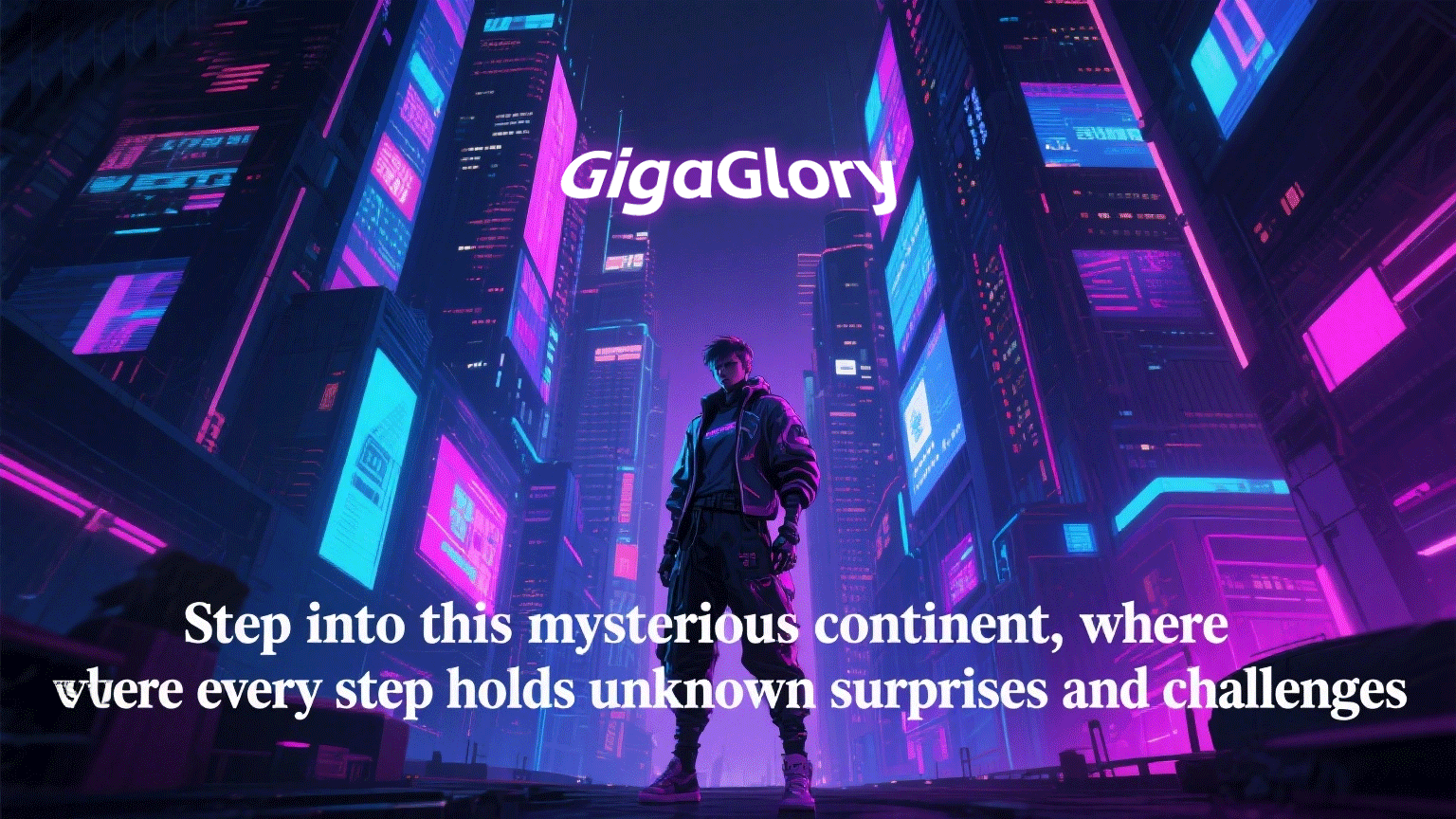
Exploring New Realms: Why Open World Games Redefine the Gaming Experience
Gaming has evolved remarkably over the years, shifting from linear narratives to sprawling, immersive worlds. Among the most significant trends shaping today’s gaming landscape are open world games. These games provide players with vast worlds to explore, offering a level of freedom that redefines how we understand interaction in gaming. This article delves into why open world games are becoming increasingly popular and their impact on the gaming experience.
What Are Open World Games?
At their core, open world games allow players to roam freely within a digital environment. Unlike traditional games, where players are guided down a specific path, open world games present a non-linear experience. This means players can choose their quests, interact with NPCs (non-player characters), and explore the environment at their own pace.
Key Features of Open World Games
- Freedom of Exploration: Players can traverse vast landscapes, from deserts to mountains.
- Dynamic Environments: Many open world games feature changing weather and day-night cycles.
- Player Choices Matter: Decisions can have significant impacts on the game’s world and story.
- NPC Interactions: Engaging with characters can open up various side quests and storylines.
Why Are Open World Games So Engaging?
One of the primary reasons these games are so appealing is the freedom they offer. Players often find themselves immersed in a world they can truly influence. For example, in games like "The Legend of Zelda: Breath of the Wild" or "The Witcher 3," players can decide the order in which they tackle quests, creating a unique narrative experience tailored to individual preferences.
The Role of Graphics and Sound Design
| Aspect | Importance | Examples |
|---|---|---|
| Visuals | Enhances immersion and realism | "Red Dead Redemption 2", "Cyberpunk 2077" |
| Sound | Sets the mood and atmosphere | "Skyrim", "Assassin's Creed" series |
Trends in Open World Games
As technology advances, open world games are also evolving. Some of the latest trends include:
- Increased Interactivity: More ways to interact with the environment and other players.
- Realistic AI: NPCs behave more like real people, enhancing immersion.
- Cross-Platform Play: Allows players to join regardless of their gaming device.
Open World Games and Community Engagement
The rise of multiplayer modes has changed the way players connect. Many open world games today incorporate elements that foster community interaction. For instance, in "Clash of Clans," players can work together to build and defend their villages, showcasing how open world elements can also extend to communal experiences. The social dynamics both enhance gameplay and create a sense of belonging within the gaming community.
The Future of Open World Gaming
Looking ahead, open world games are poised to innovate even further. With the integration of augmented reality (AR) and virtual reality (VR), players may soon find themselves living in entirely new and unpredictable worlds. This could blur the line between the real world and the digital one, pushing the boundaries of gameplay.
Conclusion
Open world games are not just a passing trend; they are a transformative force in the gaming industry. By offering expansive environments that encourage exploration, interaction, and personal choice, these games redefine the player's experience in ways that were previously unimaginable. As technology continues to evolve, we can only anticipate exciting developments that will further enhance our gaming adventures.